
How RACE and PASS Fire Extinguisher Training Helps Mid-Atlantic Workplaces Respond Safely
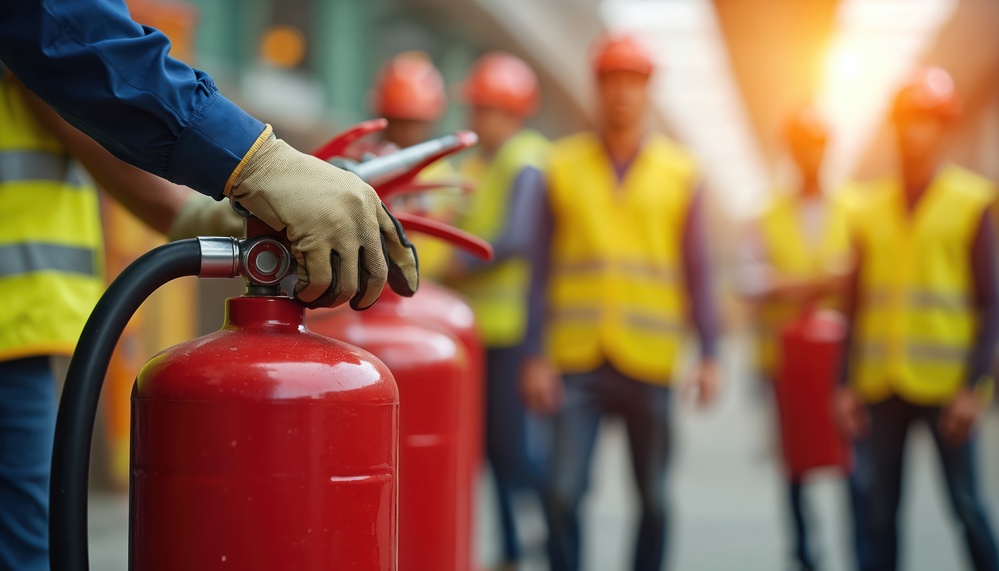
In Rockville, Maryland, and throughout the Mid-Atlantic region, we provide fire extinguisher training designed for commercial buildings where response time, occupant load, and regulatory compliance directly affect risk. Structured race and pass fire safety instruction gives employees a clear sequence to follow before panic sets in and critical seconds are lost.
Key Takeaways
- Fire extinguisher training built on RACE and PASS provides a repeatable response that prioritizes life safety before suppression.
- The RACE framework helps commercial teams decide when evacuation is required and when a small incipient-stage fire may be addressed.
- The PASS technique delivers the OSHA-recognized method for operating portable extinguishers during workplace incidents.
- Effective workplace fire extinguisher training connects annual OSHA requirements with documented inspections and hazard-specific instruction.
How RACE and PASS Training Improves Workplace Fire Response
Clear decision-making must come before action. Structured employee fire response training reinforces that order under pressure.
RACE Establishes a Life-Safety-First Decision Framework
RACE stands for Rescue, Alarm, Confine, and Extinguish or Evacuate. It creates a life-safety-first sequence before anyone reaches for an extinguisher. In multi-tenant office buildings and light-industrial properties in Rockville, Maryland, this structure prevents employees from attempting suppression before activating the alarm or assisting nearby occupants. We reinforce that Rescue and Alarm always come first because OSHA limits portable extinguisher use to incipient-stage fires under 29 CFR 1910.157, which can be reviewed through the Occupational Safety and Health Administration standard. When teams understand that extinguishment is conditional, not automatic, race and pass fire safety becomes a disciplined process rather than a reaction.
The Rescue and Alarm Steps Reduce Early Chaos in Commercial Buildings
During fire extinguisher training for employees, we walk building teams through realistic scenarios such as a copier fire in an administrative suite or a trash compactor ignition near a loading dock. Teams identify the nearest pull station, confirm the exterior assembly point, and verify a clear egress path. These actions reduce confusion during the first critical minute. In multi-story or mixed-use commercial properties, early alarm activation prevents delayed evacuation in remote tenant spaces. Employees must also know where portable units from your on-site fire extinguisher inventory are located, which should align with documented coverage under our fire extinguishers service program.
PASS Provides a Controlled, OSHA-Aligned Extinguisher Technique
The PASS method, Pull, Aim, Squeeze, Sweep, gives employees a mechanical sequence they can execute under stress. We train teams to aim at the base of the fire rather than the visible flames. Most portable extinguishers discharge for approximately 10 to 20 seconds, depending on size and rating. That limited window reinforces why workplace fire extinguisher training must include hands-on familiarity with the actual units installed in each work area. Rating classifications and travel-distance requirements referenced in NFPA 10, available through the National Fire Protection Association, provide additional technical context for commercial fire safety training.
Key Fire Extinguisher Training Priorities for Mid-Atlantic Businesses
Compliance and operational practicality must work together. Training should reflect real building conditions across the Mid-Atlantic region.
OSHA Training and Documentation Requirements
OSHA 29 CFR 1910.157 requires employers to provide fire extinguisher education at initial hire and at least annually thereafter. Designated employees must also receive hands-on instruction with the equipment they are expected to use. For commercial property owners and facility managers in Maryland, dated attendance records and documented topics are essential. During inspections or post-incident reviews, incomplete records can create unnecessary exposure. Even when extinguishers are properly installed and tagged through a documented fire extinguisher inspection program, missing training documentation can undermine business fire safety compliance.
Matching Extinguisher Class to Actual Building Hazards
Commercial fire safety training must address the specific hazard profile of each facility. Office environments typically rely on Class A or ABC extinguishers for ordinary combustibles and energized equipment. Commercial kitchens require Class K units rated for cooking oils. Warehouses or maintenance areas may introduce Class B risks tied to flammable liquids. Employee fire response training should include physical identification of each extinguisher type on site. Teams should also understand when recharge or corrective service is required, which connects directly to ongoing fire Extinguisher Repair support.
Aligning Training With Inspection and Maintenance Schedules
Maryland fire extinguisher safety depends on both employee competency and equipment readiness. Annual inspections, visible service tags, and required internal maintenance intervals should align with your training calendar. When training occurs months apart from inspection cycles, gaps can develop between instruction and actual equipment condition. Coordinating refresher training with documented fire Extinguisher Installation for new construction or tenant build-outs ensures coverage, placement, and instruction remain consistent from day one. This alignment strengthens workplace fire extinguisher training outcomes across diverse commercial portfolios.
Protect Your Commercial Building With Proven Fire Safety Training
Prepared teams respond faster and make better decisions. Effective fire extinguisher training supports both life safety and regulatory compliance.
At Guardian Fire Protection Services, we provide commercial fire extinguisher training, inspection, and service support for properties throughout Maryland, Northern Virginia, and Washington, DC. Whether you manage a single facility in Rockville, Maryland, or oversee a regional portfolio, our team can help align employee fire response training with OSHA requirements and documented equipment inspections.
Contact us to connect with our team and request a quote.
Frequently Asked Questions
What is the OSHA requirement for fire extinguisher training?
OSHA 29 CFR 1910.157 requires employers to provide fire extinguisher education at initial employment and at least annually thereafter. Employees designated to use extinguishers must also receive hands-on training with the specific equipment provided.
Do employees need training to use a fire extinguisher?
Employees who are expected or permitted to use portable extinguishers during an emergency should receive workplace fire extinguisher training. Designated responders require practical instruction on the PASS method and clear guidance on when evacuation is the safer option.
How long does fire extinguisher training take?
Most commercial fire safety training sessions last between 30 and 120 minutes, depending on building size, hazard type, and whether hands-on components are included. Annual refresher sessions are typically shorter and focus on RACE review and PASS technique.
How often must fire extinguisher training be repeated?
Fire extinguisher training must be provided at initial employment and at least once per year under OSHA standards. Many Mid-Atlantic businesses coordinate annual refresher training with their documented inspection schedule to maintain consistent compliance and readiness.
Category: Fire Extinguishers Let us help.
Fill out the form and a Guardian fire safety specialist will contact you within 24 hours.
Let us help.
Fill out the form and a Guardian fire safety specialist will contact you within 24 hours.