
Why Your Fire Alarm Keeps Going off in Maryland, DC, and Northern Virginia
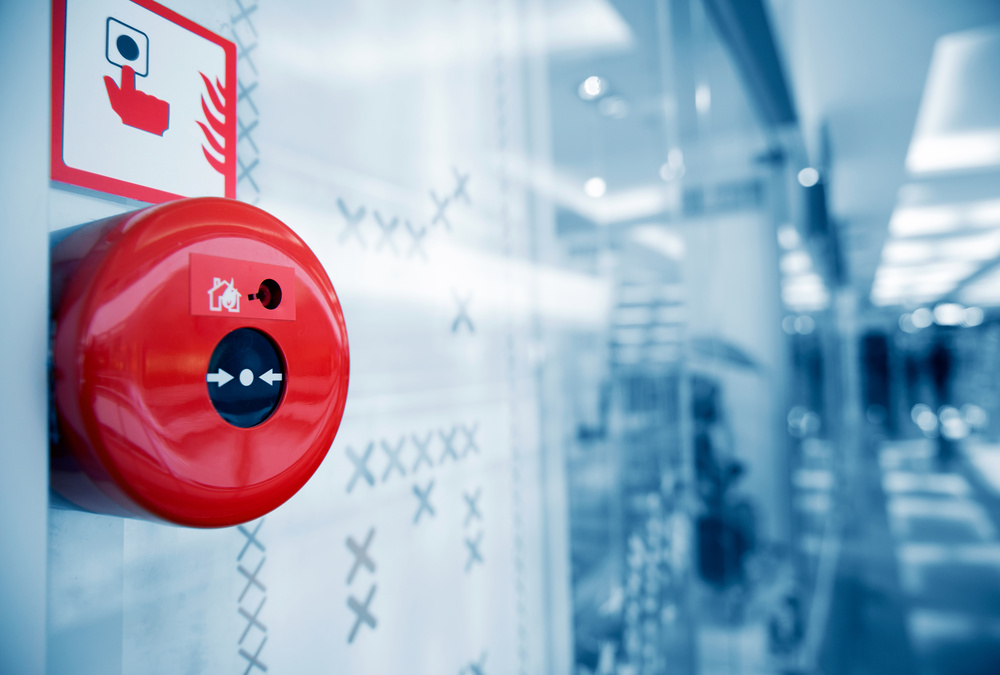
If your commercial fire alarm keeps activating without a clear cause, your building is sending a warning. At Guardian Fire Protection, we provide commercial fire alarm repair throughout Maryland, Washington DC, and Northern Virginia. We help property managers and facility directors resolve false alarms before they lead to compliance issues, tenant complaints, or failed inspections.
Key Takeaways
- Dust, humidity, and aging components are the most common causes of nuisance alarms in commercial buildings across Maryland, Washington DC, and Northern Virginia.
- NFPA 72 recommends replacing smoke detectors within 10 years of the manufacture date, not the installation date.
- Repeated false alarms increase liability risk and reduce occupant responsiveness during real emergencies.
- Trouble codes, repeat activations, and overdue inspections clearly indicate that commercial fire alarm repair is required.
- Annual inspections and fire alarm monitoring oversight help prevent costly disruptions and compliance failures.
Why Commercial Fire Alarms Keep Going Off: Common Causes Explained
Even well-designed systems develop faults over time. Environmental conditions, deferred maintenance, and aging devices are usually responsible.
Dust and Debris Inside the Detector Chamber
Commercial smoke detectors respond to airborne particles rather than visible flames. In office buildings, warehouses, health care facilities, and retail centers throughout Rockville, Baltimore, and Northern Virginia, dust from HVAC systems, renovation work, and loading dock traffic often accumulates inside detector chambers. When particles scatter light within the sensing chamber, the device may interpret the condition as smoke and trigger an alarm.
The National Fire Protection Association outlines inspection and sensitivity testing requirements in NFPA 72. When detectors are not cleaned or tested according to these standards, nuisance alarms become more frequent and more disruptive to daily operations.
Humidity and Steam Triggering Photoelectric Sensors
Mid-Atlantic humidity levels rise significantly during the spring and summer months. In facilities across Silver Spring, Annapolis, and Washington DC, moisture entering a detector chamber can scatter light within photoelectric sensors and simulate smoke conditions. Devices installed near restrooms, commercial kitchens, mechanical rooms, or supply vents are especially vulnerable to this issue.
Solutions may include relocating devices, adjusting sensitivity settings where permitted, or confirming that the environment matches the detector listing. During a scheduled fire alarm inspection, technicians evaluate environmental conditions and document factors contributing to repeat activations.
Aging Detectors Losing Calibration
As detectors approach the end of their service life, internal components degrade. Sensitivity levels drift outside acceptable ranges, and devices may become overly reactive or inconsistent. Properties in Frederick, Bethesda, and Fairfax County with systems installed more than a decade ago often experience increased false alarms tied directly to aging hardware.
NFPA 72 recommends replacement within 10 years of the manufacture date. Facility teams should confirm the date printed on each device rather than relying only on installation records. Proactive replacement through a structured commercial fire alarm repair program reduces emergency service calls and protects inspection readiness.
When Fire Alarm Troubleshooting Requires Professional Repair
Some alarm events are isolated. Others signal deeper system instability that should not be handled by general maintenance staff.
Repeated Activations From the Same Device or Zone
If the same detector or zone triggers multiple alarms within a short period, the issue rarely resolves on its own. Addressable systems used in commercial buildings throughout Maryland and Washington DC store detailed event histories. These logs identify device addresses, time stamps, and sensitivity data. Reviewing this information requires trained personnel and manufacturer-specific diagnostic tools.
Our commercial fire alarm repair services focus on isolating failing devices, correcting wiring faults, and restoring proper calibration without unnecessary system replacement. Targeted repairs protect compliance and reduce business interruption.
Trouble Codes Appearing on the Control Panel
Ground faults, open circuits, missing devices, and communication errors indicate system instability. In recently renovated tenant spaces across Montgomery County and Arlington, disturbed conduit runs and aging back-up batteries frequently trigger panel trouble signals.
Underwriters Laboratories publishes performance standards for fire alarm control units through UL Solutions. These standards reinforce the importance of properly listed and maintained equipment. When trouble codes persist after resets, a licensed technician should diagnose the condition and document corrective action to maintain compliance.
An Upcoming Fire Marshal Inspection or Annual Test
Commercial properties in Maryland, Washington DC, and Northern Virginia must complete annual testing under NFPA 72 and local Authority Having Jurisdiction requirements. Entering an inspection with unresolved alarm history, expired detectors, or supervisory conditions increases the likelihood of deficiencies or citations.
Coordination between inspection, monitoring, and security systems is also critical. Our fire alarm monitoring services help ensure signals transmit correctly to a UL-approved monitoring center. For facilities integrating life-safety and building protection measures, commercial security systems can complement fire alarm infrastructure without overlapping code functions.
Protect Your Building With Professional Commercial Fire Alarm Repair
A fire alarm that keeps going off should never be ignored. It directly affects safety, compliance, and business continuity.
Guardian Fire Protection provides inspection, maintenance, monitoring, and commercial fire alarm repair for existing systems throughout Maryland, Northern Virginia, and Washington DC. We work with property managers, facility directors, health care administrators, and multi-site operators to restore system reliability while maintaining documentation required by local code officials.
If your building has experienced repeat activations, panel trouble signals, or upcoming inspection concerns, schedule service before the issue escalates. Contact us to speak with our team about resolving persistent alarm problems.
Frequently Asked Questions
How do you stop a commercial fire alarm from beeping?
A beeping or chirping panel typically indicates a low battery, supervisory condition, or wiring fault. Silencing the device without diagnosing the cause creates compliance risks. A qualified technician should review panel data, test affected components, and document corrective action.
Who should you call to fix a commercial fire alarm?
Contact a licensed commercial fire alarm service provider experienced with NFPA 72 requirements and manufacturer-specific equipment. A qualified company can access event logs, perform sensitivity testing, and complete documented repairs that satisfy Maryland, Washington DC, and Virginia code officials.
What is the lifespan of a commercial fire alarm system?
Smoke detectors generally require replacement within 10 years of manufacture under NFPA guidance. Control panels and wiring may last longer, but environmental exposure and recurring service issues often justify phased upgrades to maintain reliability and inspection compliance.
When does a fire alarm going off require professional fire alarm repair?
Professional repair is necessary when the same device activates repeatedly, trouble codes remain after resets, detectors exceed their service life, or the system lacks a current annual inspection record. These conditions indicate measurable safety and regulatory risk.
Category: Fire Alarms Let us help.
Fill out the form and a Guardian fire safety specialist will contact you within 24 hours.
Let us help.
Fill out the form and a Guardian fire safety specialist will contact you within 24 hours.