Choosing the Right Fire Suppression System for Mid-Atlantic Commercial Buildings
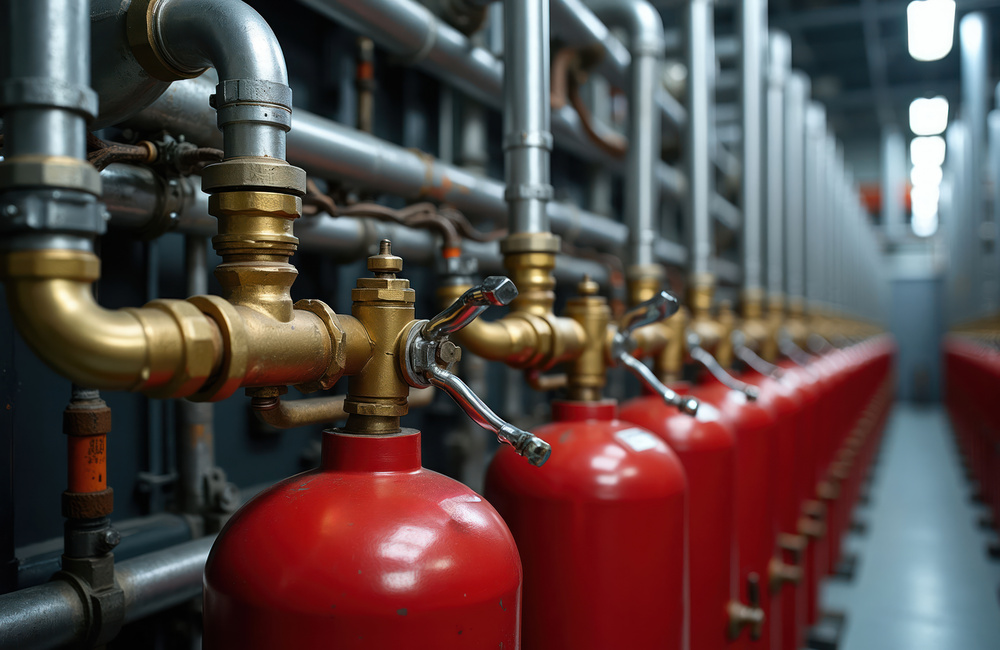
A fire suppression system detects and controls fire before it spreads, protecting people, equipment, and property. Commercial buildings across Maryland, Northern Virginia, and Washington, DC face different fire risks depending on occupancy type and building design. Restaurants need kitchen-specific protection, while data centers require agents that will not damage sensitive equipment.
This guide explains the main types of fire suppression systems and the factors Mid-Atlantic property owners and facilities managers should weigh before choosing one.
Key Takeaways
- Fire suppression systems vary by agent type, and each is suited to different occupancy risks and building layouts.
- Commercial kitchens typically use wet chemical systems designed to handle grease fires from cooking equipment.
- Data centers often rely on clean agent systems like FM-200 because they leave no residue on electronics.
- Choosing the right system depends on occupancy type, local code requirements, and the specific hazards present onsite.
How to Match Fire Suppression Systems to Mid-Atlantic Building Needs
Different commercial environments require different fire suppression approaches based on the hazards present and the equipment being protected. Understanding where each system performs best helps property owners select a solution that aligns with their building’s operations and fire risks.
Commercial Kitchens and Restaurant Hoods
Restaurants and commercial kitchens throughout Maryland and Northern Virginia generate grease-laden vapors that create unique fire risks. A commercial kitchen fire suppression system typically uses a wet chemical agent discharged directly over cooking surfaces, hoods, and ductwork. These systems are designed to comply with UL-300 standards, which address the higher heat output of modern cooking equipment.
Restaurant owners in the DC metro area should confirm their hood suppression system matches current equipment layouts, since remodeled kitchens often require nozzle repositioning.
Food Trucks and Mobile Food Units
Food truck fire suppression systems must fit compact spaces while protecting high-heat cooking equipment. Wet chemical systems are typically installed over fryers and griddles, and many Maryland and Virginia jurisdictions require documentation before issuing a mobile food vending permit. Because vibration can affect nozzle positioning, inspections should verify proper alignment more frequently than in stationary kitchens.
Data Centers and Server Rooms
Data center fire suppression systems must extinguish fire without damaging servers or electronics. Clean agent systems, including FM-200, are commonly used because they leave no residue. This is especially important in Northern Virginia’s data center market. These systems discharge quickly and require the room to maintain the proper enclosure integrity to hold the agent concentration.
Telecommunications and Equipment Rooms
Telecom and electrical equipment rooms often use clean agent fire suppression systems to protect sensitive electronics from water damage. Buildings in Washington, DC may face stricter local fire code review, so facilities managers should confirm the installed system still meets current requirements.
Warehouses and Distribution Centers
Warehouse fire protection depends on storage height, commodity type, and rack configuration. Facilities with high-piled combustible storage may require enhanced water-based protection instead of chemical or gas suppression. Building engineers should review fire protection whenever storage layouts change.
Historical and Cultural Buildings
Museums, historic buildings, and cultural institutions often rely on clean agent systems to protect valuable artifacts without leaving residue. Because older buildings present unique design challenges, renovations should include a review of existing fire protection systems.
Parking Garages and Vehicle Bays
Parking garages and vehicle maintenance bays require fire protection designed for fuel and vehicle fire hazards. Suppression systems are typically paired with proper ventilation, and enclosed or below-grade garages should be evaluated to ensure complete coverage. Early fire detection is essential to limit fire spread.
Key Factors to Consider Before Choosing a Fire Suppression System
Selecting a fire suppression system involves more than comparing available technologies. Building use, local code requirements, maintenance needs, and long-term operational goals all play a role in determining which system is the best fit for a commercial property.
Occupancy Type and Hazard Class
Occupancy type is the starting point for selecting a fire suppression system. A restaurant kitchen requires a different approach than a server room or warehouse. Facilities managers should identify hazards such as cooking equipment, flammable liquids, or sensitive electronics before choosing an agent. Matching the system to the correct hazard class helps ensure effective protection.
Local Fire Code and AHJ Requirements
Fire code requirements vary across Maryland, Virginia, and Washington, DC, with each jurisdiction enforcing its own amendments through the local Authority Having Jurisdiction (AHJ). A fire suppression system company should confirm the applicable code before finalizing a design. Building owners should also verify the proposed system complies with all local requirements.
Agent Type and Equipment Sensitivity
The right suppression agent depends on what the system is protecting. An FM-200 fire suppression system uses a clean agent that leaves no residue, making it well suited for server rooms and other electronics. Water-based systems work well for many commercial occupancies but may not be appropriate where water damage could affect equipment or inventory. Property managers should match the agent to the building’s specific hazards.
System Age and Inspection History
Older buildings across the Mid-Atlantic may still have suppression systems installed decades ago that no longer match current occupancy or code. Reviewing inspection tags and maintenance records reveals whether a system has been tested on the required schedule. A system that has gone without inspection for an extended period may have degraded components or outdated agent formulations. Facilities managers should request the most recent inspection report before assuming an existing system remains code compliant.
Coverage Area and Building Layout
Suppression system design must account for ceiling height, room volume, and any obstructions that could block agent distribution. A system sized for one room configuration will not necessarily protect the same space after a layout change or expansion. Renovations that add walls, equipment, or storage racks can create gaps in existing suppression coverage. Building engineers should flag any layout change to a fire protection professional so coverage can be reassessed.
Budget and Long-Term Maintenance Costs
Fire suppression system installation costs vary widely depending on agent type, building size, and the complexity of the space being protected. Clean agent systems generally involve higher upfront equipment costs than water-based systems, while ongoing maintenance requirements also differ by system type. Property owners budgeting for a new build or major renovation should request a written cost breakdown that separates installation from projected annual maintenance and inspection costs. This makes it easier to compare true long-term costs across options.
Response Time and Detection Speed
How quickly a system detects and responds to fire directly affects the amount of damage a building sustains. Detection components, including heat and smoke sensors, work alongside the suppression agent to trigger discharge as early as possible. A system with outdated or poorly placed detection devices may delay activation even if the suppression agent itself is effective. Facilities managers should confirm detection device placement matches current equipment layouts, especially after any renovation.
Protect Your Mid-Atlantic Property With the Right Fire Suppression System
Selecting the correct fire suppression system protects your building, your equipment, and the people who occupy it every day. Guardian Fire Protection Services works with commercial property owners and facilities managers across Maryland, Northern Virginia, and Washington, DC. Whether you manage a restaurant kitchen, a data center, or a warehouse, matching the right system to your occupancy type matters.
Contact us to discuss which fire suppression option fits your building’s specific hazards and layout.
Frequently Asked Questions
What is the fire suppression system?
A fire suppression system detects fire and discharges an agent, such as water, chemical, or gas, to control or extinguish it. It works alongside detection components to limit damage and protect occupants in commercial buildings.
How much does it cost to put in a fire suppression system?
Installation costs vary based on building size, agent type, and hazard complexity. Clean agent systems typically cost more upfront than water-based systems. Request a written quote that separates installation from ongoing maintenance expenses.
What is the most common fire suppression system?
Wet chemical systems are the most common choice for commercial kitchens because they address grease fires effectively. Water-based systems remain widely used in general occupancy buildings like offices and warehouses.
What is the difference between a fire suppression system and a sprinkler system?
A sprinkler system uses water distributed through a building’s piping network for general fire protection. A fire suppression system often uses a specific agent, like a chemical or clean gas, targeted at a particular hazard or room.
Category: Fire Suppression Systems Let us help.
Fill out the form and a Guardian fire safety specialist will contact you within 24 hours.
Let us help.
Fill out the form and a Guardian fire safety specialist will contact you within 24 hours.