
How Integrated Commercial Security Systems Help Mid-Atlantic Businesses Reduce Risk
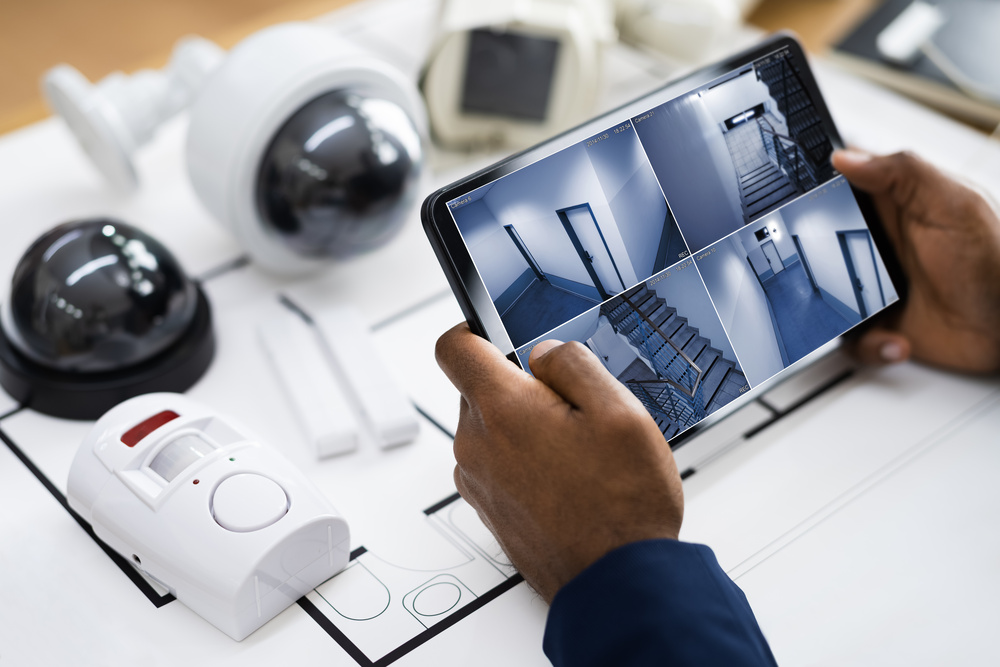
Commercial security systems combine video surveillance, access control, and alarm monitoring to protect people and property. For Maryland, Northern Virginia, and Washington, DC businesses, integrated systems reduce liability and improve emergency response. This guide explains how these systems work and how to choose the right strategy for your building.
Property owners across the Mid-Atlantic face unique risks tied to dense urban corridors, aging building stock, and strict local fire and safety codes. A commercial security system that only covers cameras leaves gaps in coverage. Integrating video, access control, and alarms into one platform closes those gaps and gives facility teams a single point of control.
Key Takeaways
- Integrated security systems combine cameras, access control, and alarms into one monitored platform for full coverage.
- Mid-Atlantic commercial buildings benefit from systems that address local code requirements and urban security risks.
- Choosing the right strategy depends on building size, occupancy type, and existing fire protection infrastructure.
- Regular testing and maintenance keep security and fire systems reliable and compliant with local regulations.
Key Ways Integrated Security Systems Reduce Risk Across Mid-Atlantic Facilities
Integrated security systems protect commercial properties by connecting multiple layers of security into one coordinated platform. Together, these components improve visibility, strengthen day-to-day operations, and help businesses respond more effectively when incidents occur.
Centralized Monitoring Cuts Response Delays
A centralized monitoring platform lets facility staff view camera feeds, access logs, and alarm activity from one screen. This reduces the time it takes to identify a break-in or unauthorized entry attempt. Buildings with separate, disconnected systems often lose critical minutes during an incident because staff must check multiple platforms.
Access Control Limits Unauthorized Entry
Access control systems restrict entry to specific doors, floors, or time windows based on employee credentials. Property managers in Northern Virginia office parks often use this to separate tenant spaces from shared common areas. Each credential swipe creates a timestamped record, which supports incident investigations and insurance claims.
Video Surveillance Deters Property Crime
Visible security cameras placed at entry points, loading docks, and parking areas discourage theft and vandalism. Washington, DC retail and mixed-use properties frequently install cameras covering exterior perimeters as a first layer of deterrence. Footage retention periods vary by system, so building owners should confirm storage duration meets their insurance requirements.
Integration With Fire Alarm Systems Improves Emergency Coordination
Security and fire alarm systems that share a monitoring platform allow faster coordination during emergencies. When a fire alarm triggers, integrated access control can unlock designated exits automatically. This type of integration is especially useful in older Maryland buildings retrofitted with modern life safety equipment.
Remote Access Supports Multi-Site Property Management
Facility managers overseeing multiple locations across the DC metro area benefit from remote system access. Remote access lets managers check camera feeds or unlock doors for vendors without being on site. This reduces staffing needs for routine access requests at satellite locations.
Compliance Documentation Supports Local Code Requirements
Local fire marshals and authorities having jurisdiction often require documentation showing that security and fire systems are tested on a set schedule. Buildings in Maryland and Virginia must keep these records available for inspection. Missing documentation can delay occupancy permits or trigger fines during routine reviews.
Scalable Systems Adapt to Growing Facilities
Commercial security systems designed with scalability in mind allow additional cameras, door readers, or alarm points to be added as a building expands. This matters for growing businesses in Loudoun County and Prince George’s County that are adding square footage. A system built without room to expand often requires costly replacement instead of simple upgrades.
How to Evaluate the Right Security Strategy for Your Business
Every commercial property has different security needs based on its layout, occupancy, and daily operations. Evaluating these factors before selecting a system helps building owners invest in security solutions that provide effective protection while supporting long-term operational and compliance goals.
Start With a Risk Assessment Specific to Your Building
Every commercial building has a different risk profile based on location, tenant mix, and hours of operation. A risk assessment identifies vulnerable entry points, blind spots in camera coverage, and gaps in current alarm response. Buildings near high-traffic corridors in Arlington or Alexandria may need different coverage than suburban office parks.
Match System Capacity to Building Size and Occupancy
A single-tenant office building has different coverage needs than a multi-tenant high-rise in downtown DC. Camera count, access control door count, and alarm zone count should reflect actual occupancy and traffic patterns. Oversized systems waste budget, while undersized systems leave coverage gaps.
Confirm Integration With Existing Fire Protection Equipment
Before selecting a security vendor, confirm whether the proposed system can integrate with existing fire alarm and sprinkler monitoring equipment. Buildings with older fire panels may require additional hardware to bridge communication between systems. This step prevents costly rework after installation.
Verify Local Code and Permit Requirements
Maryland, Virginia, and DC jurisdictions each have specific permit and inspection requirements for security and fire systems. Confirming these requirements before installation avoids delays tied to failed inspections. Local fire marshals can clarify requirements specific to a building’s occupancy classification.
Plan for Ongoing Testing and Maintenance
Security and fire systems require scheduled testing to remain reliable and code compliant. Camera systems need periodic lens cleaning and storage checks, while access control systems need credential audits. Building a maintenance schedule into the initial contract prevents system failures from going unnoticed.
Consider Total Cost Beyond Initial Installation
Commercial security system costs include installation, monitoring fees, and ongoing maintenance, not just equipment price. Facility managers should request a breakdown of these costs before signing a contract. Comparing total cost of ownership over several years gives a clearer picture than comparing installation quotes alone.
Protect Your Mid-Atlantic Property With a Single-Source Security Partner
Commercial buildings across Maryland, Northern Virginia, and Washington, DC face rising expectations for both security and fire code compliance. Working with a single-source provider for fire protection and security reduces coordination headaches between separate vendors. Guardian Fire Protection Services works with commercial property owners and facility managers throughout the region. Request a quote to discuss a security and fire protection strategy suited to your building.
Frequently Asked Questions
What is the best commercial security system?
The best system depends on building size, tenant mix, and existing fire protection equipment. A properly scaled system integrating cameras, access control, and alarms typically outperforms standalone components for commercial properties.
How much do commercial security systems cost?
Costs vary based on building size, camera count, access control points, and monitoring services. Facility managers should request itemized quotes covering installation, monitoring, and ongoing maintenance to compare total cost of ownership accurately.
What are the 4 types of security systems?
Common commercial system types include video surveillance, access control, intrusion alarms, and monitored fire alarm systems. Many Mid-Atlantic buildings integrate two or more of these types into a single monitored platform.
How do commercial security systems work?
Commercial security systems use sensors, cameras, and access credentials connected to a central monitoring platform. Alerts trigger when unauthorized entry, motion, or alarm conditions occur, notifying staff or a monitoring center immediately.
Category: Let us help.
Fill out the form and a Guardian fire safety specialist will contact you within 24 hours.
Let us help.
Fill out the form and a Guardian fire safety specialist will contact you within 24 hours.