Fire Suppression System Types Mid-Atlantic Facilities Should Know Before Installation
Protecting commercial properties across Rockville, MD and the Mid-Atlantic region requires fire suppression systems that detect and control hazards early. As a provider serving Maryland, Northern Virginia, and Washington, DC, we help facility leaders understand the different types of fire suppression systems and how each option aligns with operational risk.
Key Takeaways
- The main types of fire suppression systems include water-based, clean-agent, CO2, kitchen, marine, and special hazard fire suppression systems.
- Each system addresses a specific hazard profile, occupancy type, and regulatory requirement.
- Commercial fire suppression systems must comply with NFPA standards and local Authority Having Jurisdiction guidelines.
- Successful fire suppression system installation depends on matching system design to real-world building conditions.
The Different Types Of Fire Suppression Systems Explained
Understanding the different types of fire suppression systems allows Mid-Atlantic property owners and facility managers to make informed decisions. Each system is engineered for a distinct fire risk and operational environment.
Water-Based Fire Suppression Systems
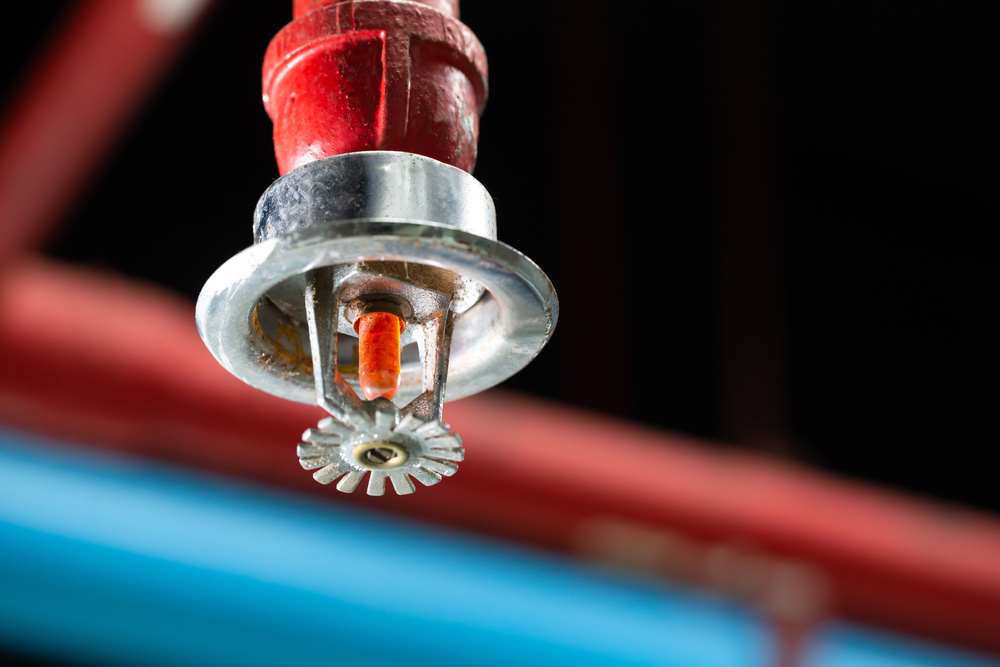
Water-based fire suppression systems are the most common commercial fire suppression systems found in offices, warehouses, healthcare facilities, and retail buildings. Wet-pipe sprinkler systems keep water in the piping at all times and discharge when heat activates a sprinkler head. Dry-pipe and preaction systems are frequently used in unheated spaces throughout Maryland where freezing temperatures are possible. These systems are regulated by NFPA 25, which governs inspection, testing, and maintenance requirements. For many facilities, fire sprinkler systems Maryland properties rely on to remain the foundation of life safety protection.
Clean-Agent Fire Suppression Systems
Clean-agent fire suppression systems discharge a gaseous agent that suppresses fire without leaving residue. They are commonly installed in data centers, telecom rooms, laboratories, and mission-critical control environments in Washington, DC and Northern Virginia. Systems designed under NFPA 2001 are engineered for occupied spaces at approved design concentrations. Many of these installations fall under special hazard fire suppression because they protect high-value equipment instead of structural components. Clean-agent systems are ideal where water discharge could cause operational disruption.
CO2 Fire Suppression Systems
CO2 fire suppression systems extinguish fire by reducing oxygen levels within an enclosed space. They are generally limited to unoccupied industrial environments due to life-safety concerns. In manufacturing plants and utility facilities across the Mid-Atlantic, CO2 systems are used where rapid suppression of flammable liquids or energized equipment is required. Proper engineering controls are essential to prevent accidental discharge in occupied areas.
Kitchen Fire Suppression Systems
Kitchen fire suppression systems are specifically designed for commercial cooking operations. These systems use wet-chemical agents to suppress grease fires beneath hoods, within ducts, and over appliances. In Maryland, installations must comply with UL-300 requirements under NFPA 96 and NFPA 17A. Restaurants, institutional kitchens, and food-service facilities depend on these systems for compliance and occupant safety.
Marine Fire Suppression Systems
Marine fire suppression systems are engineered for vessels, engine rooms, and maritime applications. These systems must meet USCG and ABS standards, which differ from land-based codes. In port-adjacent areas of the Mid-Atlantic region, marine systems protect propulsion spaces, fuel compartments, and confined mechanical areas. Traditional building-based fire suppression systems are not suitable for these environments.
Key Installation Factors And Planning Steps For Mid-Atlantic Properties
Careful planning reduces compliance risks and operational disruptions. Installation decisions affect inspection schedules, insurance documentation, and long-term system reliability.
Coordinate Fire Suppression With Fire Alarm And Monitoring Systems
Most fire suppression systems must integrate with the building fire alarm system to initiate occupant notification and supervisory signals. In many Mid-Atlantic facilities, clean-agent and special hazard fire suppression systems require pre-discharge warnings, time delays, and HVAC shutdown before agent release. These sequences help achieve the required concentration while protecting occupants. Coordinating fire alarm, suppression, and monitoring systems improves acceptance testing outcomes and reduces costly design revisions.
Confirm Structural And Environmental Conditions
Environmental conditions in Maryland and Northern Virginia influence system configuration. Unheated loading docks and parking structures may require dry-pipe or preaction sprinkler systems to prevent freezing during winter months. Clean-agent systems depend on documented room-integrity testing to confirm proper hold time and concentration levels. Sealed penetrations, functional dampers, and properly fitted doors are critical to overall performance. Ignoring these factors can compromise otherwise compliant fire suppression systems.
Plan For Inspection, Testing, And Ongoing Compliance
Every commercial fire suppression system requires scheduled inspection and documentation after installation. Water-based systems follow NFPA 25 requirements, including annual inspections and periodic internal pipe evaluations. Kitchen fire suppression systems require semiannual service and updated compliance tags. Special hazard fire suppression cylinders must be weighed and inspected at defined intervals. Mid-Atlantic facility managers should budget for these recurring services to maintain compliance and readiness.
Protect Your Mid-Atlantic Facility With The Right Fire Suppression System
Selecting the correct fire suppression system is a significant safety and liability decision for any commercial property in Rockville, MD or the surrounding Mid-Atlantic region.
Guardian Fire Protection Services provides inspection, service, monitoring, and system guidance aligned with current code requirements. Whether you manage a warehouse, data center, restaurant, or marine operation, our team supports commercial fire suppression systems tailored to your risk profile.
Request additional information through our contact us page to speak with our team.
Frequently Asked Questions
What are the main types of fire suppression systems used in commercial buildings?
The main types of fire suppression systems include water-based sprinkler systems, clean-agent systems, CO2 systems, kitchen fire suppression systems, marine fire suppression systems, and special hazard fire suppression solutions for high-risk commercial environments.
When is a clean agent system better than a sprinkler system?
Clean-agent systems are preferred in data centers and telecom rooms where water discharge could damage equipment. They extinguish fire quickly, leave no residue, and are suitable for occupied commercial spaces when properly engineered.
Are kitchen fire suppression systems required in Maryland?
Yes. Commercial cooking operations in Maryland must install UL-300 compliant kitchen fire suppression systems. These systems require semiannual inspection under NFPA 17A and must comply with NFPA 96 ventilation standards.
What is involved in fire suppression system installation?
Fire suppression system installation includes hazard assessment, system design, permitting, integration with fire alarm systems, equipment installation, and acceptance testing. Ongoing inspection, testing, and documentation are required to maintain compliance and long-term system performance.
Category: Fire Sprinklers Let us help.
Fill out the form and a Guardian fire safety specialist will contact you within 24 hours.
Let us help.
Fill out the form and a Guardian fire safety specialist will contact you within 24 hours.