
What Mid-Atlantic Business Owners Should Know Before Choosing a Commercial Security System
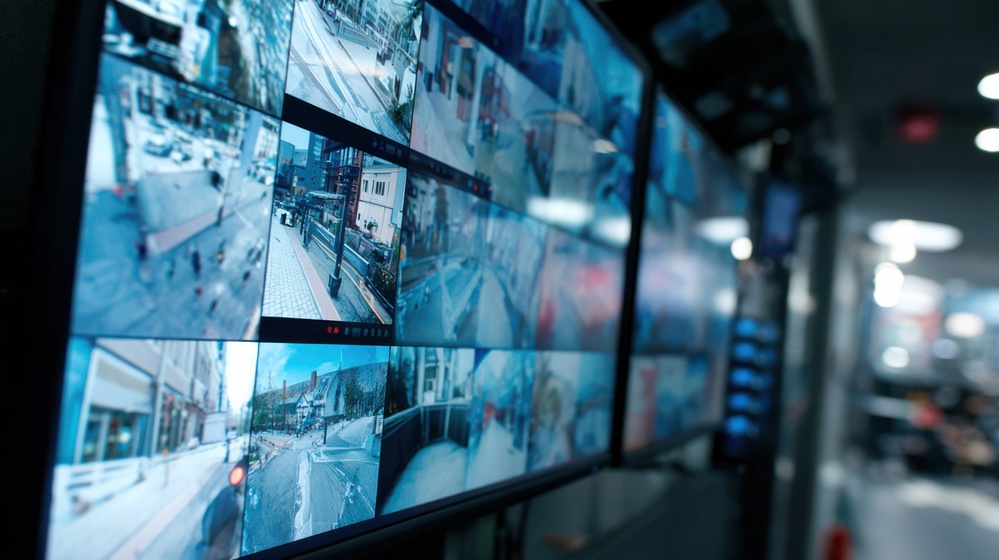
Commercial security systems protect people, property, and business continuity. Selecting the right system for a Mid-Atlantic commercial building requires more than picking a camera brand. This guide covers the core components that matter, how to evaluate providers, and what to prioritize across single or multiple locations in Maryland, Virginia, Washington DC, and West Virginia.
Key Takeaways
- Commercial security systems that integrate video surveillance, access control, and intrusion detection provide stronger protection than standalone components installed separately.
- Business security systems for commercial buildings in Maryland must meet NFPA 731 installation standards and local Authority Having Jurisdiction (AHJ) requirements.
- Property managers overseeing multiple locations should standardize on a single platform to simplify monitoring, maintenance documentation, and staff training.
- Integrating fire alarm systems with access control allows doors to automatically release during emergencies, a critical life-safety requirement in Mid-Atlantic commercial buildings.
Key Security Features for Mid-Atlantic Commercial Properties
What Makes Commercial Security Camera Systems Different from Consumer Cameras
Commercial security camera systems are built for continuous operation, wider coverage angles, and higher storage demands than consumer-grade equipment. A commercial CCTV security system typically records at resolutions that allow facial and license plate identification, which is a practical requirement for retail storefronts, parking structures, and office building lobbies. Consumer cameras often compress footage aggressively to reduce storage costs. Commercial video security systems use dedicated network video recorders (NVRs) or cloud-based storage with longer retention windows, commonly 30 to 90 days, to support incident investigations.
Why Access Control Is a Core Component, Not an Add-On
Access control for businesses manages who enters specific areas and when. A credential-based system using key cards, fobs, or mobile credentials creates an auditable entry log for every door event. This record matters during insurance claims and internal investigations. Under NFPA 731, access control portals must include a position sensor that detects held-open or forced-open conditions, which is a checkable requirement for any installation. Mid-Atlantic commercial properties with multiple tenant spaces or server rooms benefit most from role-based access permissions that restrict unauthorized entry without involving staff each time.
How Intrusion Detection Protects Commercial Buildings After Hours
Intrusion detection systems cover entry points, interior motion zones, and glass-break events in commercial buildings. For facilities in the Rockville, MD area, after-hours perimeter protection is especially relevant for ground-floor retail spaces and warehouses with loading dock access. A properly installed intrusion alarm system includes at least two independent power supplies per NFPA 731 requirements, so a power outage does not create a gap in coverage. Verified alarm monitoring, where a video feed confirms an event before dispatching police, reduces false alarm fees, which Montgomery County charges to businesses that exceed a set number of unverified responses per year.
The Role of Commercial Fire and Security System Integration
Integrated fire and security systems share a single management platform, which reduces the number of separate vendor relationships and service calls a facility manager must coordinate. When a fire alarm activates, an integrated access control system can automatically unlock designated egress doors and lock areas containing hazardous materials. This automatic door release is not optional in most commercial occupancies. It is a life-safety function governed by both NFPA 72 and the applicable building code. Choosing a provider that handles both fire alarms and security systems under one contract reduces the configuration risk that comes from connecting systems installed by separate companies.
Video Surveillance Coverage Gaps That Create Liability
Blind spots in a commercial video security system become liability exposure points when an incident occurs on property. Common gaps in Mid-Atlantic office and retail buildings include stairwells, parking structure ramps, loading docks, and elevator interiors. A thorough camera placement plan uses overlapping fields of view so there is no single-camera dependency for a critical zone. For properties with outdoor coverage requirements, cameras rated for outdoor use with infrared capability maintain image quality in low-light conditions. Before finalizing any commercial security camera system installation, facility managers should request a coverage map showing every camera angle overlaid on a floor plan.
Security Alarm Systems and Local AHJ Permit Requirements
Commercial security alarm systems require permits in most Maryland and Virginia jurisdictions before installation begins. The Authority Having Jurisdiction (AHJ) in Montgomery County, Prince George’s County, and Fairfax County each has its own permit application process and inspection schedule. Installing a security system without the correct permit creates compliance issues during building inspections and can delay certificate of occupancy renewals. A commercial security systems installation provider operating in the Mid-Atlantic should be familiar with local permit workflows and handle submissions on behalf of the building owner. Confirming this service before signing a contract prevents unexpected project delays.
Wireless vs. Hardwired Commercial Security Systems
Commercial wireless camera security systems offer faster installation timelines and lower disruption to occupied buildings during retrofits. Hardwired systems carry advantages in reliability and bandwidth consistency, which matters in large commercial buildings with dense camera counts. For mixed-use Mid-Atlantic properties where running conduit through historic masonry is cost-prohibitive, a hybrid approach uses wired infrastructure for high-priority zones and wireless endpoints in areas where drilling is restricted. The correct choice depends on the building’s construction type, available IT infrastructure, and the monitoring requirements of the specific occupancy.
How To Compare Systems Across Multiple Business Locations
Why a Standardized Platform Reduces Long-Term Management Costs
Property managers and operations directors overseeing multiple commercial locations benefit from standardizing on a single security platform across all sites. When every location uses the same software interface, staff need to learn one system rather than several. This reduces training time and lowers the chance of a monitoring gap created by operator error. Maintenance contracts are also simpler to manage when one provider covers every location, because service history, warranty records, and compliance documentation are consolidated in a single account rather than spread across multiple vendors.
How to Evaluate Commercial Security Systems Companies Before Committing
Evaluating commercial security systems companies requires looking beyond equipment specifications to service capability. Request documentation showing that the installer is licensed to operate in Maryland, Virginia, and Washington DC, because multi-state licensing is not automatic and coverage gaps create compliance problems. Ask specifically whether the company uses in-house technicians for inspections and service calls or subcontracts that work to a third party. Subcontracted service creates variability in technician familiarity with your specific system configuration, which lengthens diagnostic time when a problem occurs.
What to Ask About Monitoring Center Certification
Commercial security alarm systems that connect to a central monitoring station should be evaluated based on the station’s certification status. UL-listed monitoring centers meet defined standards for redundancy, response protocols, and communication reliability. A non-certified center may offer lower monthly rates but provides fewer guarantees on performance during high-alert conditions. Facilities managers comparing monitoring options for Maryland commercial buildings should ask each provider for their monitoring center’s UL listing number and confirm the station handles commercial intrusion, fire, and video verification from a single platform rather than routing alerts to separate centers.
How Scalability Affects Multi-Location Security System Decisions
A commercial security system that cannot scale cleanly creates problems when a business opens a new location or acquires an existing building. Scalable systems allow a new site to be added to the existing management platform without requiring a full hardware replacement. Before selecting a system, confirm that the software license structure supports additional access control doors, camera feeds, and alarm zones under the same account. For Mid-Atlantic businesses expanding across Maryland and Northern Virginia, a platform that supports remote configuration and firmware updates reduces the need for a technician visit every time a system change is required.
How Fire and Security Integration Affects Your Insurance Position
Many commercial property insurance carriers in Maryland require documented proof of a functioning monitored security and fire alarm system to maintain coverage terms. An integrated fire and security system with a verifiable monitoring contract and annual inspection records provides the documentation insurers request. Some carriers offer premium adjustments based on system quality and monitoring response capability. This is a practical, financial reason for building owners to invest in commercial security systems that include professional monitoring. Confirm with your insurer which specific system certifications satisfy their requirements before finalizing a provider selection.
Comparing Commercial Security System Installation Timelines
Commercial security systems installation timelines vary based on building size, the number of access control doors, camera count, and whether permit approval is required before work begins. A standard 10,000-square-foot office installation with 16 cameras, two access control entry points, and an intrusion alarm typically takes three to five business days for a licensed commercial installer. Larger mid-rise buildings or campuses with multiple structures require phased installation schedules to minimize disruption to building occupants. Request a written project schedule that includes permit submission dates, rough-in milestones, equipment delivery, and final testing before agreeing to a start date.
Why Ongoing Service Agreements Matter More Than Initial Installation Cost
The initial cost of a commercial security system installation is one data point. The more important financial consideration is the total cost of ownership over a five-year period, which includes monitoring fees, service call rates, equipment replacement, and inspection costs. A provider that offers a structured service agreement with defined response windows and documented inspection schedules protects the building owner from unexpected repair costs and compliance lapses. For businesses in the Rockville, MD area and across the Mid-Atlantic, a provider with local technicians on staff responds faster to service calls than a national brand that dispatches contractors from outside the region.
Protect Your Mid-Atlantic Commercial Property With a Trusted Partner
Selecting the right commercial security system for your building is a decision that affects safety, compliance, and long-term operating costs. [Guardian Fire Protection Services](https://www.guardianfireprotection.com) has served commercial property owners, facility managers, and building engineers across Maryland, Virginia, Washington DC, and West Virginia for over 40 years. From security systems for commercial buildings to fully integrated fire and security solutions, Guardian Fire provides a single-source answer for every protection need. [Contact us](https://www.guardianfireprotection.com/contact) to request a quote from a Guardian fire safety specialist who will respond within 24 hours.
Frequently Asked Questions
What is the best commercial security system for a business
The best commercial security system combines video surveillance, access control, intrusion detection, and fire alarm integration on a single managed platform. The right configuration depends on building size, occupancy type, and local compliance requirements in your jurisdiction.
What should property managers look for in commercial security systems companies?
Confirm that any provider holds multi-state licensing, uses in-house technicians for service calls, and connects to a UL-listed monitoring center. Ask for documentation of their permit handling process and references from comparable commercial building accounts in your region.
Do commercial security systems need permits in Maryland?
Yes. Most Maryland and Virginia jurisdictions require a permit before commercial security alarm system installation begins. The Authority Having Jurisdiction reviews plans and schedules an inspection. Working with a provider who manages permit submissions avoids project delays and compliance gaps.
How does integrating fire alarms with a security system benefit a commercial building?
Integration allows the access control system to automatically unlock egress doors when a fire alarm activates. This is a life-safety requirement in most commercial occupancies and reduces response time during evacuations by eliminating manual door release steps.
Category: Fire Protection Let us help.
Fill out the form and a Guardian fire safety specialist will contact you within 24 hours.
Let us help.
Fill out the form and a Guardian fire safety specialist will contact you within 24 hours.